The Bilaspur-Manali-Leh railway line could feature the world’s highest railway station at an altitude of 17,244 feet. The proposed 489-km corridor aims to connect Himachal Pradesh with Ladakh through an extensive network of tunnels.
The proposed Tengla railway station would stand at approximately 5,359 metres above sea level. This would place it around 188 metres above China’s Tanggula railway station.
According to the project details, the Railway Ministry has completed a survey and prepared a Detailed Project Report (DPR). However, construction approval for the corridor remains pending.
The project carries an estimated cost of Rs 1.31 lakh crore. Furthermore, approximately 270 km, or 55 per cent of the proposed route, would pass through tunnels.
Bilaspur-Manali-Leh railway line to feature highest station
The proposed Tengla station will be located below Tanglang La, a high mountain pass along the Manali-Leh highway.
At an elevation of approximately 5,359 metres, the station could surpass China’s Tanggula station. The latter currently holds the distinction of being the world’s highest railway station.
The proposed corridor will also require extensive underground construction. Project plans include 62 tunnels across the 489-km route.
Consequently, tunnelling will account for a significant part of the infrastructure work. The difficult terrain and high-altitude conditions will make construction particularly challenging.
Railway corridor to connect key towns across Himachal and Ladakh
The proposed railway line will pass through several important locations across Himachal Pradesh and Ladakh.
These include Bilaspur, Mandi, Manali, Sissu, Keylong, Sarchu, Rumtse, Upshi and Kharu. Therefore, the corridor could provide an alternative transport link to remote Himalayan regions.
The project also carries strategic significance because of its proximity to the China border. It aims to strengthen connectivity between Ladakh and the rest of India.
Moreover, the railway could support the movement of personnel, passengers and freight to border regions. It may also improve access during periods of heavy snowfall.
Special train facilities planned for extreme altitude
Operating trains above 17,000 feet will require specialised passenger safety arrangements. Air pressure and oxygen levels at such elevations can fall to around half their normal levels.
Therefore, the proposed trains are expected to feature pressurised and heated cabins. Special oxygen masks will also be provided to address potential breathing difficulties.
These facilities would help passengers and soldiers travel through extreme cold and low-oxygen conditions. However, the final technical specifications will depend on project development and approvals.
Construction faces high-altitude engineering challenges
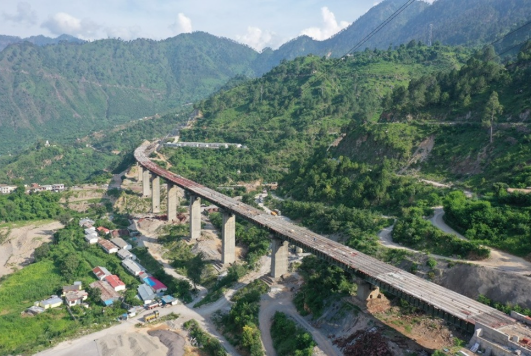
Building the Bilaspur-Manali-Leh railway line will involve complex engineering requirements. The region’s geological formations, steep gradients and extreme weather conditions pose significant challenges.
Additionally, construction teams will have to operate in high-altitude locations. Tunnelling through difficult Himalayan terrain will require specialised equipment and safety measures.
The project remains at the planning stage, with construction approval still awaited. Once approved and completed, the corridor could strengthen regional connectivity, support tourism and create employment opportunities across the Himalayan region.