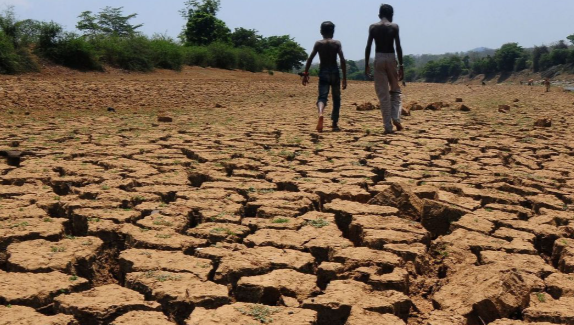
The Maharashtra government has announced comprehensive measures to address drought and water scarcity across the state. It has declared drought in 304 talukas following deficient rainfall.
The state issued several Government Resolutions (GRs), circulars and directives between October 5 and November 6. These measures decentralise administrative powers and accelerate water conservation projects.
Additionally, the government has prioritised livestock fodder supplies and established district and taluka-level coordination committees.
Maharashtra fast-tracks water conservation projects
The government has extended administrative deadlines for works under the District Annual Plan (General) for 2026-27. Authorities can now grant administrative sanctions until November 30.
Chief Secretary’s directives have empowered local secretaries and District Collectors to expedite technical approvals.
Under the MLA Local Area Development programme, Collectors can sanction drought-related projects worth up to Rs 25 lakh each. This provision covers both rural and urban areas.
Meanwhile, the government has asked MPs to recommend priority projects under the MP Local Area Development programme.
In 304 talukas facing Trigger-1 and Trigger-2 conditions, authorities are undertaking soil and water conservation works. These include stream deepening, farm ponds, recharge shafts and check dam gates.
The programme also covers rainwater harvesting structures and stream widening. Authorities are implementing these projects through NGOs and the VB G RAM G scheme.
A state-level high-powered committee chaired by the Chief Minister will monitor the conservation projects.
Fodder production and livestock security receive priority
The government is expanding fodder production across agricultural land, forest areas and reservoir submergence zones. It has fixed the base price of fodder at Rs 12 per kg.
The maximum price for silage has been set at Rs 8 per kg, excluding transportation costs.
District Collector-led committees will allocate suitable forest and reservoir-bed land for fodder cultivation. These areas will support short-duration and multi-cut fodder crops.
Furthermore, the Forest Department has suspended regular grass auctions until further notice. The decision aims to secure fodder supplies for livestock and wildlife.
District Executive Drought Management Committees will decide where to establish fodder camps. The government has proposed one camp per revenue circle, depending on livestock numbers and water availability.
Corporate Social Responsibility funds will support fodder depots and water supply facilities. They will also cover hygiene arrangements, CCTV systems and balers.
The government has prohibited transporting fodder outside Maharashtra. It has also barred using fodder for non-fodder purposes, including biofuels, power generation and industrial packaging.
Drinking water arrangements strengthened in schools and villages
The government has directed schools and anganwadis to maintain clean drinking water and functional handwashing facilities. Authorities must also conduct regular biological testing of water samples.
Where permanent infrastructure remains incomplete, temporary tankers and pipeline extensions will ensure water availability.
Priority works include deepening wells, desilting and acquiring private borewells. Authorities will also implement supplementary piped water schemes and install recharge shafts near water sources.
Additionally, urban and rural local bodies can restore disconnected electricity supplies to water schemes. They must first clear one month’s security deposit and reconnection charges.
The government will also allow new water connections after payment of standard connection charges. This provision applies despite applicants having previous dues.
Relief coordination and public health measures
The state is establishing taluka-level Chief Minister’s Relief Fund cells and coordination committees. These bodies will coordinate public health services in drought-affected regions.
The measures cover water infrastructure, agricultural conservation and livestock management. Their implementation will depend on coordination between district authorities and local bodies as Maharashtra addresses continuing rainfall-related shortages.