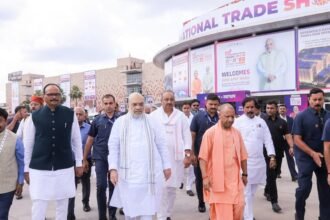

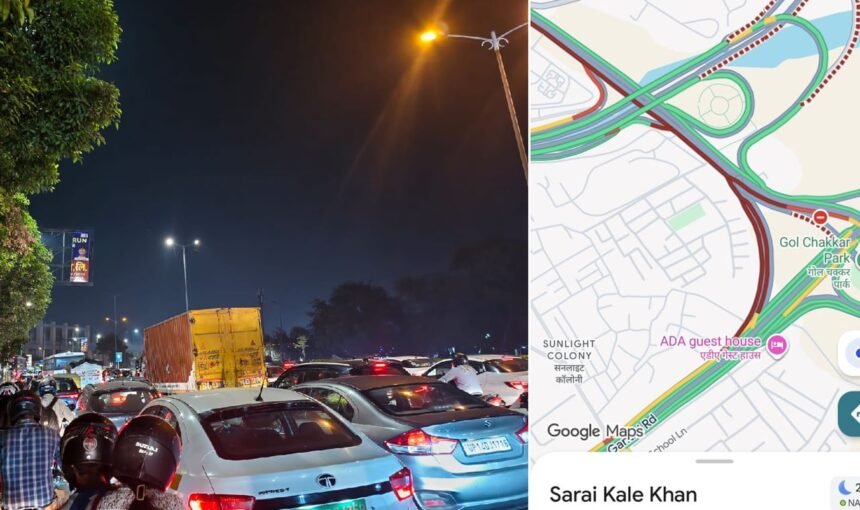
Union Home Minister Amit Shah on Tuesday (September 29, 2026) launched four major road infrastructure projects worth ₹1,941 crore in the national capital, including the long-pending Barapullah Phase 3 elevated corridor. Specifically, this biggest project aims to provide signal-free connectivity between Mayur Vihar Phase-1 and AIIMS. The new flyover merges with the existing Barapullah network at Sarai Kale Khan, completing a nine-to-ten-kilometer continuous stretch.
However, ground reality indicates this massive infrastructure boost will significantly worsen the existing Sarai Kale Khan traffic jam. Currently, vehicular streams converge from the Delhi-Noida-Delhi (DND) Flyway, Ring Road, and Barapullah Flyover.
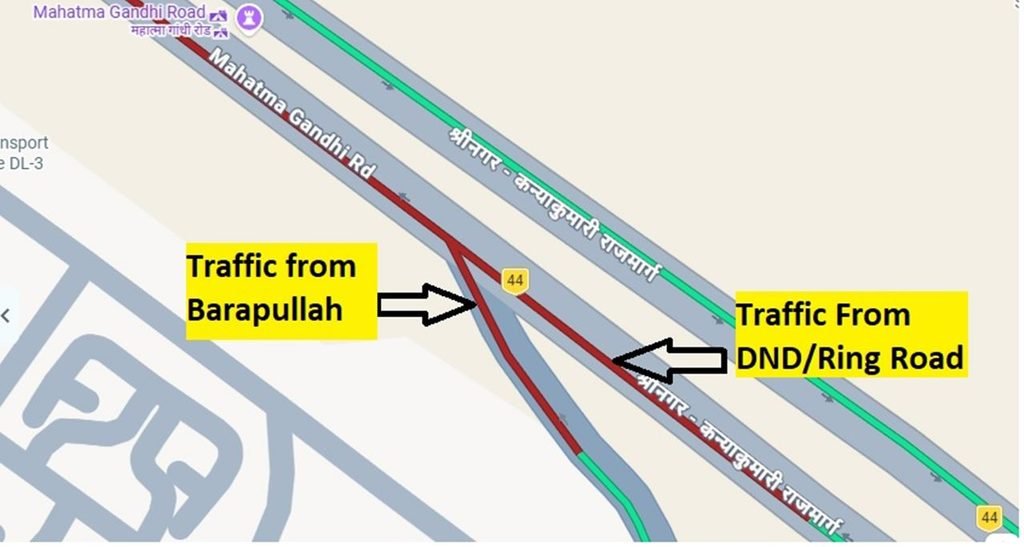
Consequently, five to six incoming lanes funnel abruptly into a narrow three-lane exit flyover toward ITO and the Delhi-Meerut Expressway.
Fuel Stations Escalating Sarai Kale Khan Traffic Bottlenecks
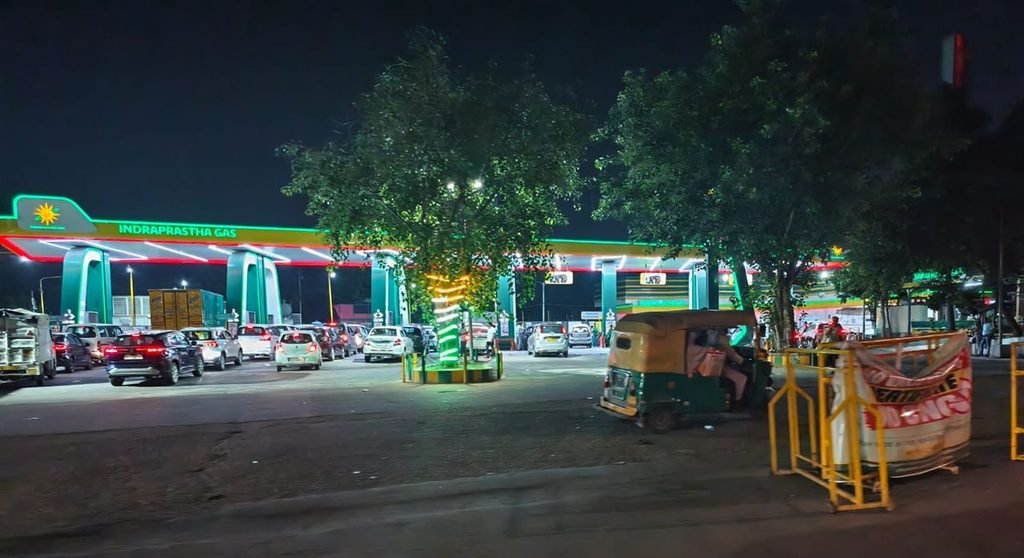
The presence and placement of fuel stations on both sides of the corridor heavily amplify gridlocks:
- Heading Towards Ghaziabad:
- A standalone CNG station sits immediately before the exit flyover.
- Traffic Impact: Vehicles crisscrossing multiple lanes to join CNG queues cause heavy congestion non-stop, with conditions turning severe during office rush hours.
- Incoming Towards Delhi (From Delhi-Meerut Expressway / Ghaziabad side):
- An Indian Oil Petrol Pump along with an additional CNG station are situated on the opposite carriageway, where heavy incoming commuter traffic enters Delhi. The entry into Delhi narrows down here from six-seven lanes to just four lanes.
- Traffic Impact: The narrow entry lanes create major slowdowns, particularly during peak morning hours.
Traffic Impact Summary
| Traffic Stress Factor | Current Impact | Expected Impact Post-Launch |
| Incoming Commuter Lanes | 5 to 6 lanes (DND, Ring Road, Ghaziabad) | Addition of Mayur Vihar & East Delhi traffic via Barapullah Phase 3 |
| Exit Capacity | 3-lane exit flyover toward ITO / DME | Imminent multi-km severe gridlock |
| Towards Ghaziabad Bottleneck | CNG station before exit flyover | Heavy jam; crawling lines during peak hours |
| Delhi-Bound Bottleneck | Indian Oil Petrol Pump & CNG station on incoming side | Morning rush hour bottlenecks as vehicles cut across traffic |
Commuter Delays and Missing Enforcement
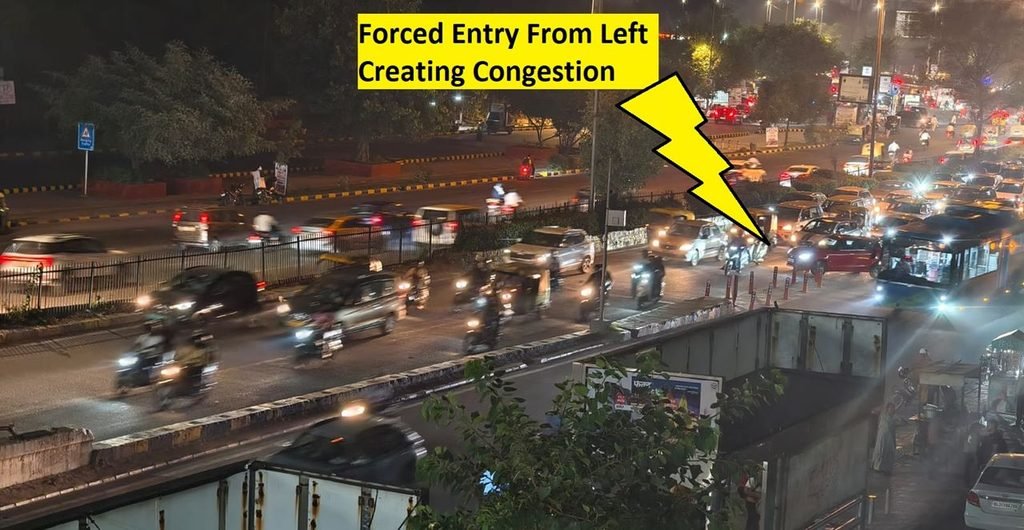
Meanwhile, traffic police deployment remains limited strictly to the primary convergence point to regulate incoming streams. Surprisingly, no officers monitor the Sarai Kale Khan flyover entry exiting towards ITO/Ghaziabad where law-abiding right-lane drivers yield to aggressive left-side merging.
| Commute Parameter | Time / Distance Spent |
| Sarai Kale Khan 500m Stretch | 5 to 10 minutes |
| Total Affected Stretch (2–6 km) | 20 to 30 minutes |
Strategic Solutions to Prevent Complete Traffic Gridlock
To resolve the impending Sarai Kale Khan traffic jam crisis, authorities must implement targeted infrastructure and enforcement interventions:
- Dedicated Service Lanes & Marshals: Construct physical slip roads for the CNG station on the Ghaziabad-bound stretch and the Indian Oil pump / CNG station on the Delhi-bound carriageway. Pump operators must deploy dedicated traffic marshals to prevent queues from spilling into active driving lanes.
- Strict Enforcement at Flyover Entry: Position traffic police personnel at the exit flyover entry to stop illegal merging from extreme left lanes.
- Physical Channelizers & Lane Segregation: Install flexible bollards 300 meters ahead of the flyover to enforce strict lane discipline and eliminate sudden lane cutting.
- ITO Entry from Service Lane: Another option can be to guide vehicles seeking to go towards ITO/India Gate to use the service lane road besides the bridge. This way, a number of vehicles will be taken off the bridge. The left most lane of the service road can be made signal free, as there is a traffic light under the bridge to regulate traffic flowing underneath.