

The Nalwa Aero eVTOL aircraft has completed preliminary flight tests, marking an early milestone in India’s efforts to develop indigenous electric aviation technology.
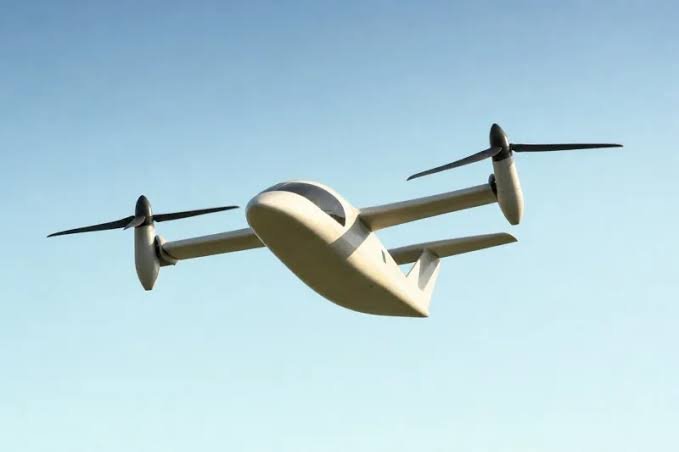
Punjab-based Nalwa Aero is developing an electric vertical take-off and landing (eVTOL) aircraft using a box-wing design and tilting rotors. Union Civil Aviation Minister Kinjarapu Rammohan Naidu has expressed encouragement for the company’s progress.
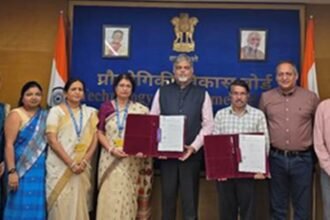
Nalwa Aero founder and CEO Kuljeet Singh Sandhu and chief technology officer Nelson Salas met the minister to present the company’s development progress and flight-testing results.
Nalwa Aero eVTOL aircraft uses box-wing design
Unlike conventional aircraft, eVTOLs are designed to take off and land vertically, potentially reducing their dependence on traditional runways.
Nalwa Aero is combining electric propulsion with a box-wing aerodynamic configuration and tilting-rotor technology. The design draws inspiration from aerodynamic principles explored by German scientist Ludwig Prandtl more than a century ago.
According to the company, its scaled experimental aircraft demonstrated low-altitude hovering and forward flight during preliminary tests. Further trials will be needed to evaluate the design’s performance and suitability for practical applications.
Five-seat electric aircraft targets air taxis and medical transport
Nalwa Aero is developing a five-seat eVTOL aircraft for several potential applications. These include air taxis, air ambulances, tourism, cargo transportation and defence operations.
Such aircraft could eventually support short-distance passenger travel and emergency medical transport. They may also offer connectivity between locations where road journeys are time-consuming.
However, commercial deployment will depend on further development, safety testing and regulatory approvals. The successful preliminary flights do not mean the proposed five-seat aircraft is ready to carry passengers.
DGCA approvals mark steps in certification process
Nalwa Aero received Design Organisation Approval from the Directorate General of Civil Aviation (DGCA) in June 2025 for eVTOL aircraft in the five-seat-and-above category.
The company said its type-certification application was accepted in January 2026. These milestones form part of the regulatory process for developing and certifying the aircraft.
Final certification remains a key requirement before commercial passenger operations can begin. The timeline will depend on further testing, technical assessments and regulatory clearances.
India’s electric aviation ambitions face key challenges
Nalwa Aero aims to develop aircraft technology in India for domestic and international markets. Its work comes as eVTOL developers worldwide explore new options for urban air mobility.
Several challenges remain before electric aircraft can enter regular commercial service. These include battery performance, operating costs, aircraft certification, safety requirements and supporting infrastructure.
For India, eVTOL technology could eventually create additional options for passenger mobility, medical evacuations and cargo transport. The scale of these applications will depend on whether developers can demonstrate safe, reliable and commercially viable operations.