

The PM-SETU scheme is set to support the transformation of Industrial Training Institutes (ITIs) in Assam through stronger industry participation and demand-driven training. The initiative aims to improve employment opportunities for young people in the North-Eastern Region, including access to international jobs.
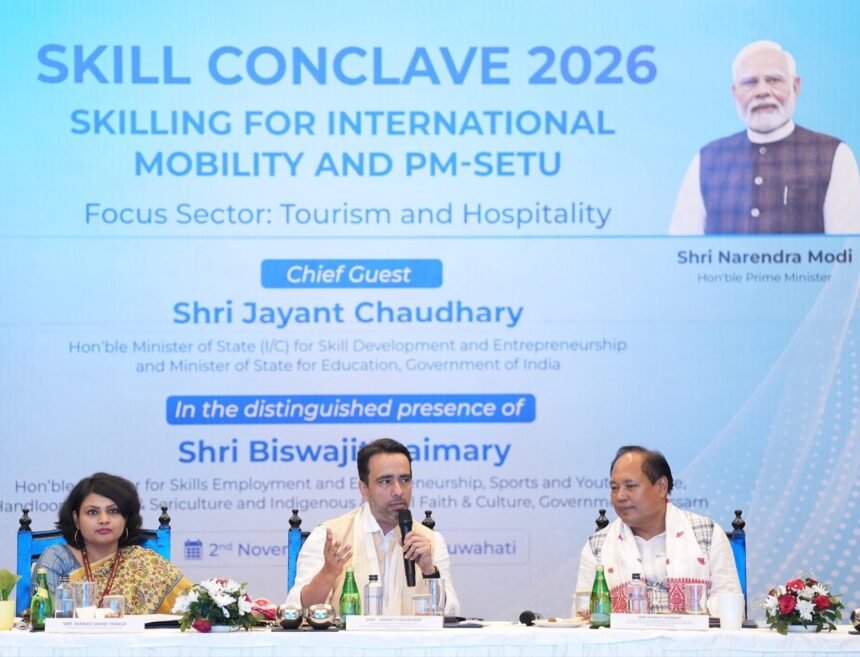
The Ministry of Skill Development and Entrepreneurship (MSDE) outlined the approach at a programme on international mobility and PM-SETU in Guwahati on Monday. Tourism and hospitality were identified as key sectors with potential to connect the region’s workforce to domestic and global employment opportunities.
The programme also saw the exchange of a Memorandum of Understanding (MoU) between MSDE and the Assam government for setting up a Strategic Investment and Innovation Centre (SIIC). Two ITI clusters, supported by Numaligarh Refinery Limited (NRL) and Oil India Limited (OIL), were also declared under the scheme.
What is the PM-SETU scheme?
PM-SETU stands for Pradhan Mantri Skilling and Employability Transformation through Upgraded ITIs.
The scheme focuses on transforming ITIs into modern, industry-responsive institutions. Its approach involves bringing industry partners closer to vocational education and training.
The objective is to align training with changing industry requirements rather than relying only on traditional courses. This can help trainees develop skills relevant to emerging jobs and workplace technologies.
Under the programme discussed in Guwahati, the North-Eastern Region will receive particular attention. The focus is on strengthening training infrastructure, improving industry partnerships and preparing young people for employment within India and overseas.
Why are tourism and hospitality important for the North-East?
Tourism and hospitality have been identified as sectors with significant employment potential in the North-Eastern Region.
The region’s tourism potential creates demand for trained professionals across hospitality and related services. However, workers need industry-relevant competencies and exposure to professional standards to access these opportunities.
The programme discussed aligning training with emerging industry requirements and international standards. It also highlighted international workforce mobility as a route for expanding employment opportunities.
The Tourism and Hospitality Skill Council (THSC) highlighted the importance of developing sector-specific skills to improve employability and prepare young people for the global hospitality industry.
How will industry partnerships support ITI transformation in Assam?
Industry participation is a key component of the PM-SETU approach. The programme announced two ITI clusters in Assam, with support from public sector companies.
The arrangements include:
- Jorhat ITI cluster: Supported by Numaligarh Refinery Limited.
- Tinsukhia ITI cluster: Supported by Oil India Limited.
The programme also saw an MoU exchanged between MSDE and the Assam government for setting up an SIIC.
These partnerships are intended to strengthen institutional infrastructure and bring industry requirements closer to vocational training. The involvement of companies can help connect training institutions with the skills needed in the workplace.
What role will international mobility and WorldSkills play?
The programme also discussed international mobility and WorldSkills as avenues for expanding opportunities for young people from the North-East.
International mobility involves preparing workers to access employment opportunities in other countries. This requires skills that match the requirements and standards of overseas employers.
WorldSkills provides another platform for highlighting vocational capabilities and promoting skills excellence. Participation in such initiatives can help young people gain exposure to international skill standards.
What are Assam’s other skilling initiatives?
The Assam government presented its CM FLIGHT Scheme and plans for a Global Skill Center during the programme.
These initiatives reflect the state’s efforts to strengthen its skilling infrastructure and connect its workforce with emerging employment opportunities.
Union Minister of State for Skill Development and Entrepreneurship Jayant Chaudhary said PM-SETU aims to make ITIs modern institutions that respond to industry needs.
Assam minister Biswajit Daimary also highlighted the importance of equipping young people with relevant skills, exposure and opportunities for employment and entrepreneurship.
The programme brought together representatives of the Central and Assam governments, industry and the skilling ecosystem to discuss ways to strengthen vocational training across the region.