

The Bombay High Court has allowed the Tata Sons board meeting scheduled for November 30 to proceed. However, any decisions taken will remain subject to the final outcome of the ongoing dispute over Tata Trusts’ affirmative voting rights.
The court passed the order while hearing a plea by Tata Trusts seeking an injunction against the meeting. It declined to stay or defer the proceedings.
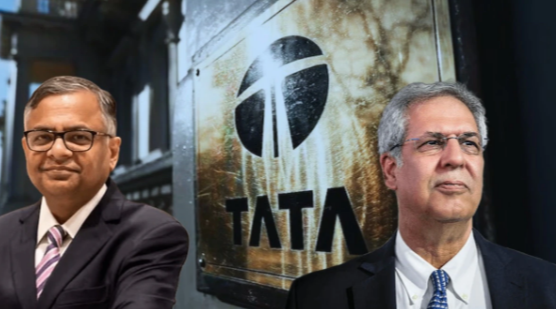
The dispute centres on the use of Tata Sons Chairman N. Chandrasekaran’s casting vote at a board meeting on September 17. Tata Trusts has alleged that the vote improperly overruled the affirmative voting rights of its nominee directors.
Tata Trusts challenges use of chairman’s casting vote
At the centre of the dispute is Article 121 of Tata Sons’ Articles of Association. Tata Trusts contends that the provision gives its nominee directors affirmative voting rights on specified matters.
The trusts have argued that the chairman’s casting vote cannot override those rights or resolve a deadlock involving their representatives.
According to Tata Trusts, several resolutions at the September 17 meeting were approved through Chandrasekaran’s casting vote. This allegedly happened despite the absence of an affirmative vote from nominee director Noel Tata.
One key resolution concerned Chandrasekaran’s reappointment as Tata Sons chairman. His fresh term is scheduled to begin in February 2027.
Tata Trusts argued that formally confirming the September resolutions at the November 30 meeting could undermine its governance rights within the holding company.
November 30 meeting to consider key governance matters
The upcoming Tata Sons board meeting is expected to consider several corporate governance and regulatory matters.
These include disclosure of interest, the Reserve Bank of India’s listing requirements applicable to Tata Sons, and a proposal to convene an extraordinary general meeting.
During the hearing, the High Court questioned the basis for stopping the meeting before the board had taken any decisions. It also examined whether Chandrasekaran’s reappointment could be considered separately.
The court ultimately declined interim relief and allowed the meeting to proceed. However, it clarified that the board’s decisions would remain subject to the final ruling in the case.
The order therefore permits Tata Sons to conduct its scheduled board proceedings without settling the underlying dispute over the interpretation of Article 121.