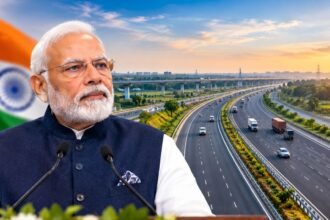


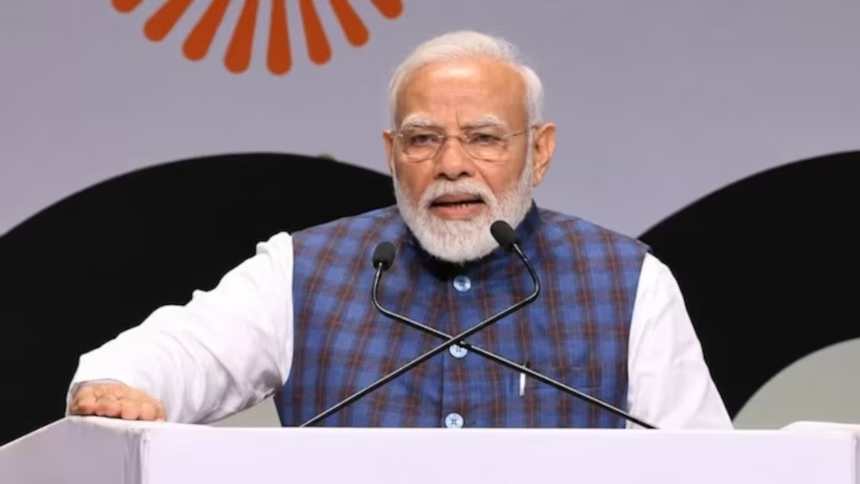
PM Modi infrastructure project execution was the focus of the 55th PRAGATI meeting on Thursday. The Prime Minister stressed that delays increase costs and postpone benefits for citizens, businesses and the economy.
He called on concerned ministries and state governments to resolve pending issues. Furthermore, he stressed clear accountability, realistic timelines and high construction standards.
Modi chaired the meeting at Seva Teerth in New Delhi. PRAGATI is an ICT-enabled, multi-modal platform for proactive governance and timely implementation.
During the meeting, the Prime Minister reviewed five critical infrastructure projects across the road, power, coal and railway sectors. These projects have a combined cost of more than Rs 78,000 crore.
He also reviewed the Industrial Training Institute (ITI) ecosystem, including the implementation of the Pradhan Mantri Skilling and Employability Transformation through Upgraded ITIs (PM-SETU).
PM Modi stresses accountability in infrastructure projects
Reviewing the road project, Modi called for faster implementation. He reiterated the need to prioritise outcomes rather than merely focusing on expenditure.
Meanwhile, the review of the coal project covered rehabilitation and resettlement. The Prime Minister stressed that authorities must complete these processes on time and ensure dignified treatment for affected communities.
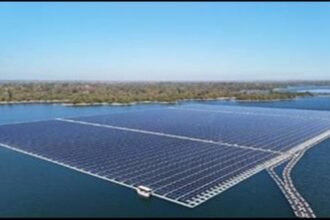
During the power project review, Modi suggested exploring innovative models for decentralised solar and wind energy projects.
He said authorities should consider developing renewable energy projects closer to consumption centres wherever feasible. Such planning should account for local resource availability and electricity demand.
Consequently, decentralised generation could improve reliable and affordable power supply. It could also ease pressure on transmission infrastructure.
ITI training to align with industry requirements
The Prime Minister also called on public sector undertakings (PSUs) to assess their future workforce requirements. He urged them to strengthen partnerships with ITIs for training and recruitment in relevant trades.
Furthermore, Modi stressed that skill development must reflect the needs of industrial clusters and individual sectors.
He called for ITI trades, curricula and training capacity to align with existing industries. Training programmes should also account for upcoming regional investments.
The review placed infrastructure delivery and workforce development within a broader implementation framework. Both areas will require coordination between ministries, state governments, PSUs and training institutions.