
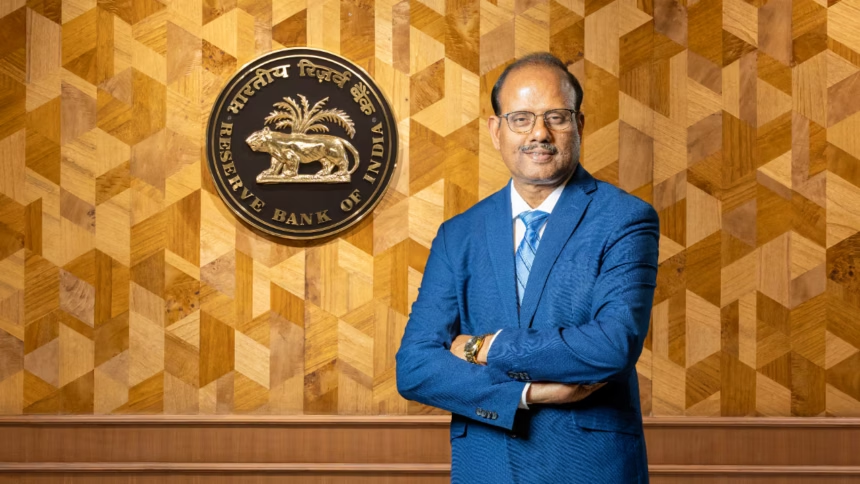
RBI MSME lending reforms are expected to focus on faster credit sanctions and wider cash-flow-based financing. Reserve Bank of India (RBI) Deputy Governor Swaminathan J urged banks to expedite loans to micro, small and medium enterprises (MSMEs) on Friday.
Addressing the 31st meeting of the Standing Advisory Committee (SAC) in Kolkata, he called for greater use of digital lending channels. These include the Unified Lending Interface (ULI) and other platforms.
Swaminathan also urged banks to reduce their reliance on collateral. Instead, lenders should assess borrowers through cash flows and strengthen early identification of financial stress.
RBI calls for wider TReDS adoption
The Deputy Governor called for greater use of the Trade Receivables Discounting System (TReDS). The RBI-regulated online platform enables MSMEs to discount bills raised against supplies to large corporates.
Consequently, businesses can receive payments earlier instead of waiting for buyers to settle invoices. This helps address delayed payments and improves working capital availability.
Furthermore, better receivables financing can strengthen cash-flow management. Swaminathan also stressed the importance of identifying and resolving signs of financial stress at an early stage.
He invited industry associations to participate actively in RBI outreach programmes. These include town halls and district-level MSME SAMVAAD meetings.
Such engagements can improve awareness of available credit facilities. Additionally, they provide a platform for associations to raise members’ concerns directly with banks.
SAC reviews MSME credit and guarantee coverage
The committee reviewed working capital and investment credit flows to MSMEs. It also discussed lending to first-time borrowers and credit guarantee coverage.
Other subjects included the higher collateral-free lending limit for micro and small enterprises. The committee also examined the settlement of Central Public Sector Enterprise (CPSE) invoices through TReDS.
Furthermore, members discussed key provisions of the MSMED (Amendment) Act, 2026. The meeting brought together representatives from government departments, banks and financial institutions.
Participants included the Additional Secretary and Development Commissioner, Ministry of MSME. The Joint Secretary from the Department of Financial Services, Ministry of Finance, also attended.
Managing directors and executive directors of select banks participated in the meeting. Heads of SIDBI, NABARD, CGTMSE, NCGTC and KVIC were also present.
The Chief Executive Officer of the Indian Banks’ Association attended alongside national, regional and state-level MSME association representatives.
RBI Governor flags low utilisation of FTA benefits
Separately, RBI Governor Sanjay Malhotra highlighted the need for MSMEs to expand their participation in international trade. He said Indian exporters were not fully using benefits available under the country’s free trade agreements (FTAs).
Only 20-30 per cent of eligible Indian exports currently avail tariff concessions. In comparison, partner countries use concessions for 60-70 per cent of their exports to India.
Speaking at the SME Finance & Investment Summit in Mumbai, Malhotra urged MSMEs to explore overseas markets. He also called on businesses to understand relevant trade agreements and invest in quality, standards and certification.
He said India’s expanding FTA network offers access to new markets and lower-cost quality inputs. Moreover, these agreements can help MSMEs integrate into global value chains.
The two RBI interventions underline the importance of improving both domestic financing access and international market participation. Faster credit decisions and better use of trade agreements could help MSMEs expand their operations.