


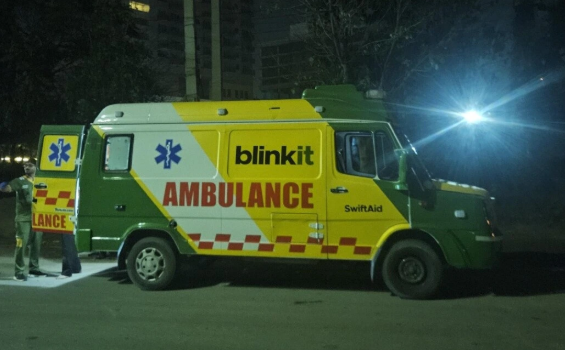
Blinkit ambulance service has introduced a flat fee of Rs 2,500 for non-emergency transfers, while keeping emergency ambulance rides free.
The change was announced on Thursday by Deepinder Goyal, founder of Eternal, Blinkit’s parent company. The move aims to keep ambulances available for critical medical situations.
Goyal said the service had increasingly received bookings for routine requirements, including doctor consultations, regular check-ups and hospital-to-home transfers.
Blinkit reports 42,000 ambulance cases in two years
According to Goyal, Blinkit’s ambulance service has handled around 42,000 cases over the past two years. This includes nearly 20,000 emergency transfers.
The company has not charged patients for any of these services so far.
Goyal said the decision to retain free emergency transfers reflects the service’s original objective of providing assistance during critical medical situations.
However, he said a growing share of bookings involved non-emergency travel. These trips could often be handled through conventional transport or private ambulance services.
Non-emergency ambulance fee to support operations
Under the revised pricing structure, emergency transfers will remain free, while non-emergency trips will attract a flat charge of Rs 2,500.
The fee will be collected after the trip and is broadly in line with charges levied by private ambulance operators, Goyal said.
The proceeds will go to the Eternal Foundation, which operates the ambulance service. The foundation will use the funds to support further expansion.
Blinkit aims to prioritise emergency availability
Goyal said routine bookings were keeping fully equipped ambulances and paramedics occupied when they could be needed for urgent cases.
The company expects the new fee to reduce non-emergency usage and improve fleet availability for life-threatening situations.
Blinkit’s ambulance service is designed to provide a response within 10 minutes. Goyal said maintaining availability for emergencies was essential to the service’s objective of saving lives.