

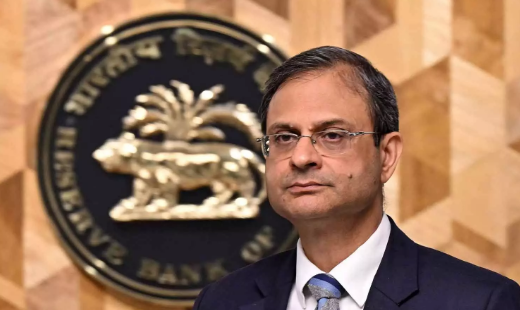
MSME FTA benefits remain underutilised by Indian exporters, particularly micro, small and medium enterprises. Reserve Bank of India (RBI) Governor Sanjay Malhotra highlighted this gap on Friday. He urged businesses to use free trade agreements (FTAs) to expand their overseas presence.
Speaking at the SME Finance & Investment Summit in Mumbai, Malhotra said only 20-30 per cent of eligible Indian exports avail tariff concessions. In comparison, partner countries use concessions for 60-70 per cent of their exports to India.
He said India was missing a significant opportunity. Furthermore, MSMEs should explore international markets instead of relying solely on domestic demand.
RBI Governor outlines FTA opportunities for MSMEs
Malhotra asked businesses to understand which trade agreements apply to their products. He also emphasised investments in product quality, standards and certification.
These measures can help MSMEs meet overseas market requirements. Additionally, India’s expanding FTA network offers access to new markets and lower-cost quality inputs.
The agreements also create opportunities for smaller businesses to join global value chains. Some FTAs include dedicated provisions for small and medium enterprises.
Malhotra said labour-intensive MSME sectors could help distribute the gains from international trade more widely. Greater participation by these businesses could also strengthen their access to overseas demand.
MSME credit grows 27% in 12 months
The RBI Governor also highlighted growth in bank lending to the MSME sector. Bank credit to MSMEs increased 27 per cent year-on-year in the 12 months ended September 2026.
This outpaced the 19.4 per cent growth in overall bank credit. Meanwhile, outstanding MSME credit rose from Rs 17.97 trillion in September 2021 to Rs 42.89 trillion in September 2026.
The increase represents a compound annual growth rate of around 19 per cent over five years. Malhotra said the MSME credit gap had narrowed considerably during recent years.
However, he called for greater attention to underserved borrowers. These include first-time borrowers, micro enterprises, women-led businesses and units in smaller towns and rural areas.
RBI raises collateral-free loan limit for small businesses
Malhotra also highlighted measures aimed at easing financing constraints for smaller businesses. Earlier in 2026, the RBI increased the mandatory collateral-free loan limit for micro and small enterprises.
The limit rose from Rs 10 lakh to Rs 20 lakh. The revised threshold applies to loans sanctioned or renewed from April 1, 2026.
This marked the first revision since 2010. Furthermore, banks can raise the limit to Rs 25 lakh for borrowers with strong financial credentials.
However, such higher limits remain subject to individual banks’ internal policies. The measures form part of wider efforts to improve access to formal finance for smaller businesses.