

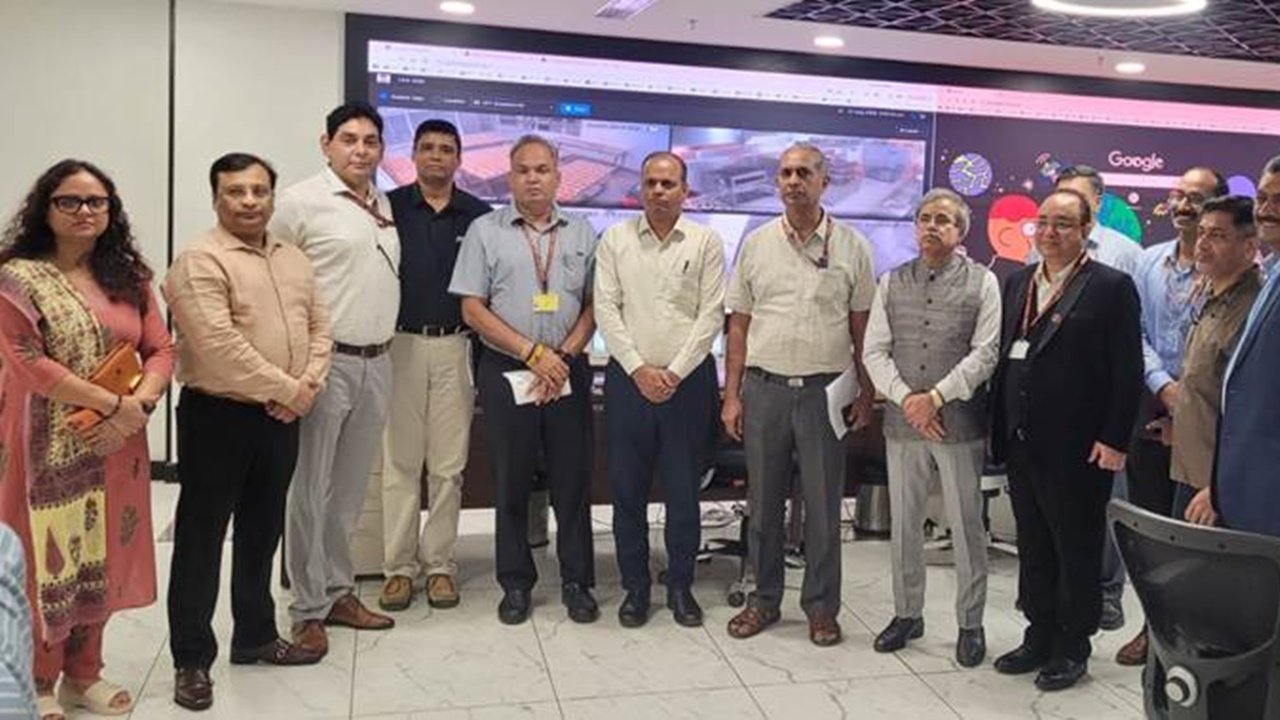
When Railway Board Chairman and CEO Satish Kumar recently visited the Indian Railway Catering and Tourism Corporation (IRCTC) War Room, the official photos captured a scene of modern governance. Monitors flashed with AI-driven feeds, multi-angle camera views of base kitchens were dissected, and high-level directives were given to track complaints on the Rail Madad app. The goal—to make monitoring responsive, technology-driven, and outcome-oriented—sounds impressive on paper.
Yet, for millions of passengers boarding long-distance trains every day, this war room feels disconnected from the ground reality.
While the Railway Board focuses on camera angles, roti-preparation processes, and automated app interfaces, the actual nightmare for passengers unfolds inside the narrow corridors of running trains. The core issue plaguing Indian Railway catering isn’t primarily IRCTC’s digital interface or its central kitchens; it is the unchecked, rampant lawlessness of private vendors and third-party pantry contractors who manage onboard services.
The Onboard Cartel: Overcharging, Local Water Brands, and Dismal Quality
Passengers are not suffering because AI failed to detect a rodent in a base kitchen 500 kilometers away; they are suffering because private pantry staff operate like an extortion racket inside coach compartments.
1. The Multi-Crore “Overcharging” Extortion
It is virtually impossible to buy food or beverages at the official Maximum Retail Price (MRP) on a long-distance train.
- A standard ₹15 bottle of water is routinely sold for ₹20.
- A ₹10 tea or a standard meal is marked up by either less tea in the cup or ₹20 to ₹50 markup on food thali without a bill.
- If a passenger demands a printed receipt or insists on paying the printed MRP, pantry staff often resort to verbal abuse, outright refusal of service, or intimidating behavior. Multiply these illegal markups by millions of passengers daily, and private vendors are extracting a massive, unrecorded secondary revenue stream straight out of the public’s pocket.
2. The Rail Neer Vanishing Act
Indian Railways mandates the sale of Rail Neer—its official packaged drinking water priced at ₹15 per liter. Yet, step onto almost any express train, and Rail Neer is mysteriously “out of stock”. Instead, pantry staff aggressively push unknown, local water brands.
Why? Because local bottling companies offer massive profit margins to private contractors. While Rail Neer guarantees strict quality standards at an affordable price, passengers are forced to pay ₹20 or more for unverified water brands simply to satisfy the profit motives of private vendors.
3. Dismal Food Quality and Customer Helplessness
Despite grand statements about kitchen surveillance and third-party audits, the quality of food served on berths remains unpalatable. Cold, greasy, underweight, and poorly packaged meals are served with complete disregard for basic hygiene. When complaints are raised, onboard workers simply point fingers at distant base kitchens or dismiss the passenger entirely, leaving travelers with no real-time recourse mid-journey.
Why Central “War Rooms” Fall Short
CCTV cameras in fixed base kitchens and AI algorithms tracking hygiene are step-forward initiatives, but they completely miss the point of delivery.
A base kitchen can prepare a perfectly hygienic meal, but once that food enters a train, it is in the hands of third-party staff whose primary objective is squeezing extra cash out of helpless passengers. A camera stationed at an Anantapur kitchen cannot catch a pantry worker overcharging a family in an S4 sleeper coach.
An app like Rail Madad is a good post-facto tool, but expecting a passenger—surrounded by aggressive pantry staff in a moving train—to register a digital complaint and wait for a resolution at the next station is unrealistic. Most passengers pay the extra cash simply to avoid conflict.
The Real Solution: Undercover Raids and Exemplary Punishment
If the Ministry of Railways and the Railway Board genuinely want to eliminate onboard catering corruption, tech dashboards alone will not cut it. They must target the point of contact through aggressive, enforcement-driven action.
1. Undercover Raids by Plainclothes Officials
Railway officials, commercial inspectors, and vigilance officers must board trains incognito as ordinary passengers.
- They should sit in sleeper and 3AC coaches, buy tea, water, and meals, and catch contractors in the act of overcharging, refusing bills, and selling non-approved local water brands.
- Undercover operations eliminate the “advance warning” buffer that contractors get when formal inspection teams step onto platforms.
2. Immediate On-Spot Blacklisting and Hefty Fines
Warning letters and minor slaps on the wrist do not deter private cartels.
- If a private vendor is caught overcharging or denying Rail Neer to sell high-margin local brands, their contract should face instant termination, accompanied by severe financial penalties.
- The license-holders—not just the daily-wage pantry boys—must face personal liability and long-term blacklisting across all railway zones.
3. Mandatory Digital Billing at the Berth
No bill should explicitly mean no payment. Railways must mandate handheld POS (Point of Sale) billing machines for every onboard vendor. If a vendor cannot produce an instant electronic bill showing the printed MRP, the passenger should legally be entitled to the item free of cost, with this rule prominently displayed inside every coach.
The Railway Board CEO’s push for automated Rail Madad interfaces and AI kitchen monitoring is a step toward modernization. However, treating a ground-level extortion problem with high-level software fixes will yield limited results.
Indian Railways does not just have a kitchen problem; it has a private vendor discipline problem. Until the ministry moves out of the war rooms and sends disguised inspectors into train coaches to crack down on the pantry mafia, passengers will continue to pay the price—one overcharged meal and one illegal water bottle at a time.

Leave a Reply