


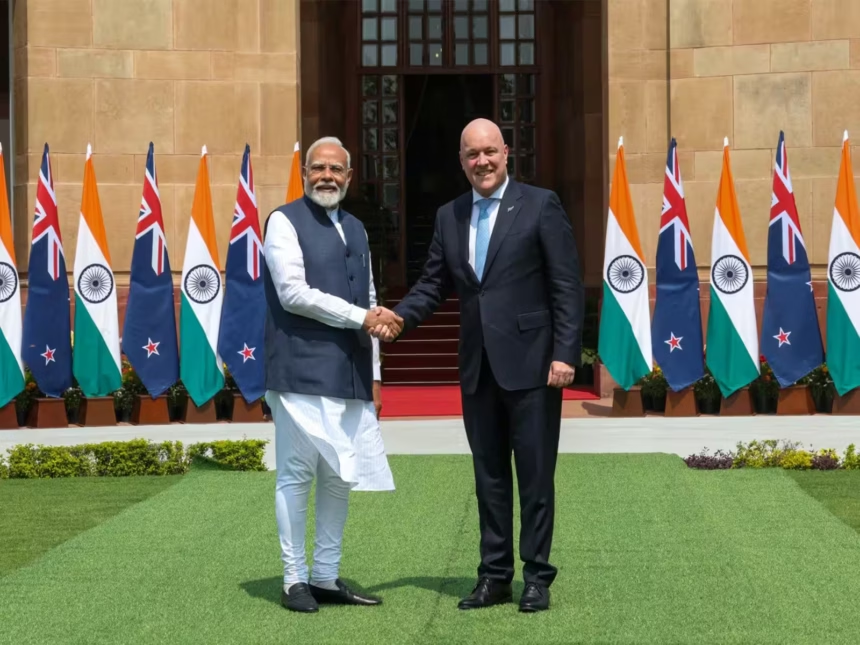
The India-New Zealand free trade agreement is aimed at expanding market access for startups and businesses in both countries through improved trade conditions and duty-free exports. The agreement is expected to create opportunities for Indian entrepreneurs seeking to enter the New Zealand market.
The deal covers sectors including information technology, pharmaceuticals and agricultural products, which could benefit from improved access to international markets. However, the specific products eligible for tariff concessions will depend on the agreement’s provisions.
India-New Zealand FTA targets export opportunities
The agreement is expected to help Indian startups explore New Zealand’s consumer market by reducing import duties on eligible Indian goods. Lower tariff barriers could improve the price competitiveness of exporters and make overseas expansion more viable for smaller businesses.
For startups operating in technology, pharmaceuticals and agriculture-related segments, access to international markets can support business expansion and create opportunities for cross-border partnerships.
The agreement also aims to encourage innovation and collaboration between the two startup ecosystems. Businesses could explore new commercial relationships as bilateral trade conditions evolve.
Agreement aligns with India’s trade expansion strategy
The India-New Zealand free trade agreement forms part of India’s broader efforts to strengthen economic relationships with international partners and expand export opportunities.
Reducing trade barriers can support reciprocal trade and investment by making it easier for businesses to access overseas markets. The extent of the benefits for individual startups will depend on the applicable tariff concessions, regulatory requirements and their ability to meet market-specific standards.
Government officials have presented the agreement as a step towards creating a more supportive environment for businesses in both countries.
Implementation and business impact
The agreement’s implementation is expected to be a key factor in determining how quickly businesses can take advantage of the new trade conditions. Exporters will need to understand the applicable rules, documentation requirements and product-specific provisions before entering the New Zealand market.
For startups, the potential benefits extend beyond tariff reductions. Access to a new market can create opportunities to develop distribution partnerships, reach additional customers and explore cross-border collaboration.
The agreement’s long-term impact will depend on how effectively businesses use the available concessions and respond to demand in both markets.