

For years, green landscaping along newly developed National Highways was often treated as an afterthought during the rush to open roads to traffic. To change this, the National Highways Authority of India (NHAI) has introduced comprehensive new guidelines that tie project clearance and regular maintenance payments directly to environmental performance.
Contents
Under the updated framework, developers, concessionaires, and contractors must meet rigorous greenery thresholds before securing a Provisional Certificate of Completion (PCC) or a Provisional Commercial Operation Date (PCOD).
Key Highlights of the New Compliance Norms
- The 80–90 Rule for Completion: To obtain provisional project clearance, developers must prove that plantation has been executed on at least 80% of the available Right of Way (ROW) designated for greenery. Furthermore, the planted saplings must record a verified minimum survival rate of 90% during inspection.
- Financial Penalties for Shortfalls: Any failure to meet the 80% plantation threshold will trigger specific timelines for completion, backed by strict financial withholdings from contract payments until targets are fully met.
- Ongoing Accountability During Maintenance: The mandate extends across the entire Operations and Maintenance (O&M) lifecycle for EPC, HAM, and BOT projects. Payouts and annuity releases will depend on maintaining that 90% survival rate over time.
- Mandatory Replacements and Expert Audits: Contractors must replace dead or dying saplings with plants of similar age and growth to preserve corridor uniformity. To prevent oversight, independent environmental and plantation experts hired by NHAI will conduct ground-level verification before any maintenance payments are processed.
How These Rules Benefit Travelers and the Environment
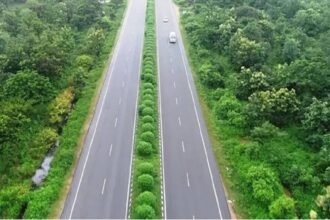
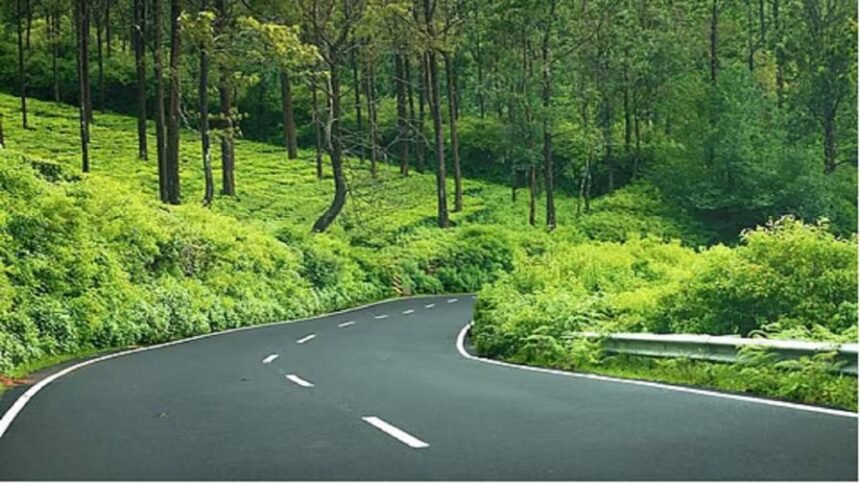
- Guaranteed Green Cover: Commuters will no longer encounter barren or half-finished landscaping patches on newly inaugurated highway stretches.
- Better Pollution Control: High survival rates mean dense, continuous roadside canopies that function effectively as carbon sinks, absorbing vehicular emissions and improving air quality for local populations.
- Enhanced Driving Comfort: Established avenue trees and median greenery significantly reduce driver fatigue by cutting down blinding high-beam glare from oncoming night traffic and lowering ambient roadside temperatures.