


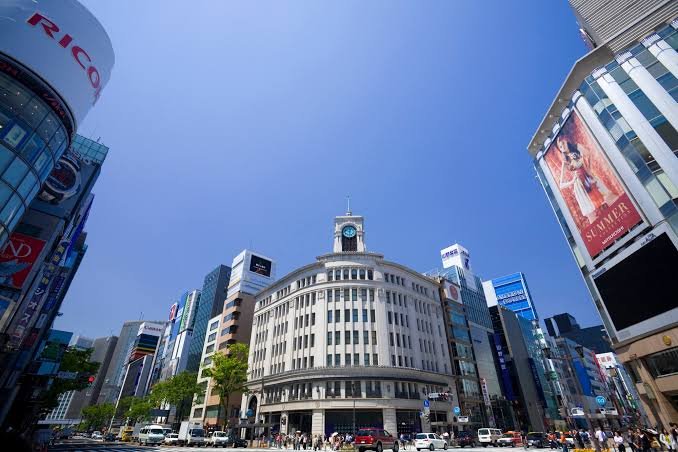
The Tokyo Ginza property price cut highlights mounting pressure on Japan’s commercial real estate market as higher borrowing costs and inflation weigh on demand for premium assets.
Kurosawa Group is now open to offers as low as ¥80 billion for the building housing Tiffany & Co.’s largest boutique in Asia. The owner had initially sought ¥120 billion, according to Bloomberg, citing people familiar with the matter.
The revised price represents a potential reduction of about one-third. The property has spent months on the market as the owner seeks a buyer.
The building is located in Ginza, one of Tokyo’s prominent luxury shopping districts. Its revised pricing reflects the challenges facing sellers of high-value commercial properties amid changing financing conditions.
Tokyo Ginza property price cut reflects rising borrowing costs
Japan’s real estate market is facing pressure from rising interest rates and inflation, which have increased borrowing costs for investors.
Higher financing expenses can reduce the returns buyers expect from commercial properties. This can make it harder for sellers to secure offers that match their initial valuations.
The situation is particularly relevant for premium assets, which often require substantial capital commitments. Buyers may become more cautious when financing costs rise and property valuations remain elevated.
The potential reduction in the Ginza building’s price illustrates how changing market conditions can force owners to reassess their expectations.
Premium property sellers face valuation pressure
The prolonged sale process also highlights the challenges facing closely held property owners when landmark assets struggle to attract buyers.
In high-value districts such as Ginza, pricing adjustments could influence negotiations for other commercial properties. However, the extent of any wider market impact will depend on buyer demand, financing conditions and individual asset valuations.
For investors, the development underscores the importance of borrowing costs when assessing premium real estate opportunities. Sellers may need greater flexibility on pricing and transaction terms to complete deals in a more challenging market.
The situation also reflects broader pressures on private capital markets, where higher interest rates since 2022 have made asset sales and exits more difficult to execute at targeted valuations.
For Japan’s commercial property sector, the key question is whether lower asking prices will be enough to bring buyers back into the market.