

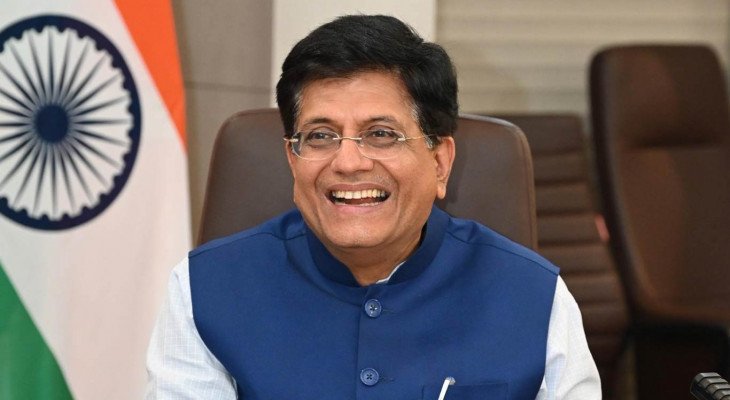
India and Egypt could begin formal negotiations for a trade agreement within the next 90 days, Commerce and Industry Minister Piyush Goyal said on Monday.
Officials from both countries will finalise the terms of reference for the proposed agreement. Meanwhile, a joint team will assess the potential for a preferential trade agreement (PTA) or free trade agreement (FTA).
“We hope to start negotiations in the next 90 days towards a more robust agreement to expand trade,” Goyal told reporters in Cairo.
The minister said both countries were also discussing ways to increase bilateral trade and investment. Furthermore, they agreed to respect each other’s sensitivities while identifying areas for early progress.
India-Egypt trade agreement to focus on achievable areas
Goyal said both sides could initially consider a preferential trade agreement. Subsequently, they could expand it into a broader free trade pact.
He identified agriculture and dairy as sensitive sectors for India. Therefore, the proposed negotiations would need to account for the concerns of both countries.
Egypt imports significant quantities of wheat and beef. Goyal said India could become a supplier, potentially helping Egypt improve price competitiveness and contain inflation.
“Egypt imports a lot of beef and wheat. India could be a source for Egypt to bring down inflation and make prices more competitive,” he said.
The minister also highlighted opportunities linked to Egypt’s cotton industry. India could use Egyptian cotton to manufacture finished products for export to markets such as the United States and Europe.
Local currency payments and maritime cooperation discussed
The two countries’ central banks have also connected to discuss trade settlements in local currencies.
Goyal said the arrangement could reduce foreign exchange costs and accelerate payment transfers between exporters and importers. Consequently, businesses could benefit from faster payment realisation and more competitive trade operations.
Both sides also discussed expanding cooperation in shipbuilding and seaports.
The proposed trade agreement and payment arrangements form part of wider efforts to strengthen bilateral economic engagement. The upcoming negotiations will help identify specific sectors and terms for expanding trade and investment.