

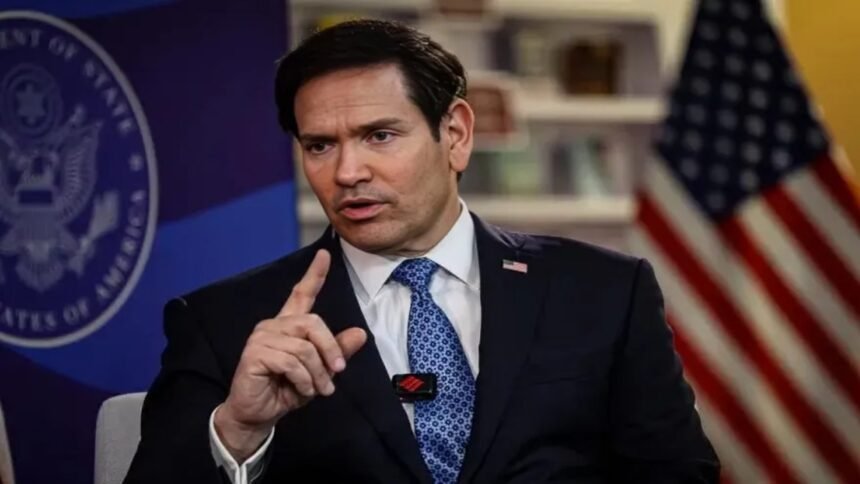
India US energy cooperation emerged as a key focus during External Affairs Minister S Jaishankar’s meeting with US Secretary of State Marco Rubio in Mumbai on Tuesday. The discussions covered energy security, the bilateral trade deal, technology cooperation, defence ties and regional developments.
The meeting comes as both countries explore ways to strengthen energy trade and diversify supply chains. The US State Department said Rubio emphasised the potential for increased American energy exports to meet India’s substantial consumer demand.
Following the meeting, Jaishankar said on X that the two sides had discussed advancing bilateral ties across trade, energy, technology, defence and people-to-people relations. They also exchanged views on regional developments.
Rubio said the discussions covered energy security and defence cooperation while reaffirming the importance of the India-US strategic partnership.
India US energy cooperation puts Reliance Industries in focus
Rubio was scheduled to meet Reliance Industries chairman Mukesh Ambani and visit the company’s refinery complex in Jamnagar, Gujarat. According to the US State Department, the discussions would focus on enhanced energy cooperation.
The Jamnagar refinery is a major part of India’s refining infrastructure. The talks come amid US efforts to expand energy trade with India and encourage diversification of its crude oil supplies.
Rubio said India had repeatedly expressed interest in diversifying its energy portfolio, describing the approach as a sensible strategy. He also identified Venezuela and other countries as potential sources of energy for India.
The discussions are understood to include the possibility of Reliance refining additional volumes of Venezuelan crude. However, the supplied report did not confirm any agreement or purchase commitment.
The US State Department said Rubio had highlighted how increased energy trade could help diversify India’s supply chains while meeting domestic demand.
India-US trade deal negotiations near completion
The meeting also took place as negotiations on the bilateral trade agreement continued. Rubio told reporters in Mumbai that only a small number of issues remained to be resolved and expressed hope that the deal would be concluded soon.
A day earlier, he had said in Samarkand that Washington and New Delhi were close to finalising the agreement.
The trade discussions form part of a wider effort to strengthen economic ties between the two countries. Technology cooperation and defence procurement also featured in the talks.
According to the US State Department’s readout, Rubio welcomed recent progress in bilateral defence and civil nuclear cooperation. He also advocated greater purchases of US technologies and systems.
Foreign Secretary Vikram Misri, US Ambassador to India Sergio Gor and other officials attended the Jaishankar-Rubio meeting. Misri separately met US congressional staffers in Mumbai to discuss technology and defence cooperation, as well as people-to-people ties.
Russian oil sanctions waiver provides India relief
Rubio’s visit comes against the backdrop of a waiver granted by US President Donald Trump concerning additional punitive measures linked to Russian energy exports.
The decision offers India relief from the threat of tariffs of up to 100 per cent associated with purchases of Russian oil, according to the supplied report.
Trump defended the waiver as a decision intended to account for global energy requirements. Rubio also said Washington had considered the effects of sanctions on international supplies and prices.
The discussions on Russian oil, Venezuelan supplies and US energy exports underline the importance of energy security in bilateral relations.
Rubio also paid tribute to victims of the November 2008 Mumbai terror attacks at the Taj Mahal Palace Hotel memorial, accompanied by Ambassador Sergio Gor.
The visit therefore combined energy and trade negotiations with broader strategic discussions, as India and the US continued engagement across economic, defence and regional issues.