


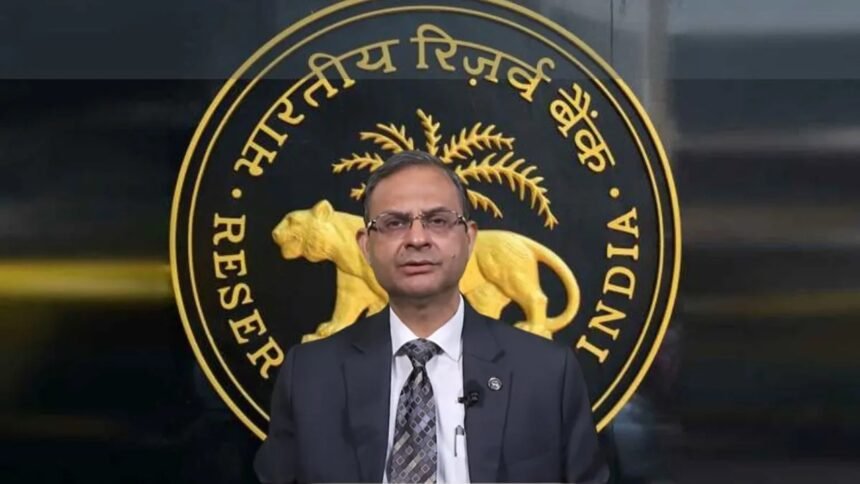
Extent of rate hike cycle to depend on growth-inflation outlook, confirmed Reserve Bank of India Governor Sanjay Malhotra during the latest Monetary Policy Committee (MPC) proceedings. The central bank released the detailed minutes of the October 5–7 meeting on Wednesday, October 21, 2026.
Specifically, Governor Sanjay Malhotra stated, “The duration and extent of the rate hike cycle, therefore, would be contingent on the actual growth-inflation development and outlook, especially that of underlying inflation, extent of broadening of price pressure, and second-round effects.” Furthermore, all six MPC members voted unanimously to raise the benchmark policy repo rate by 25 basis points to 5.50 per cent, marking the first rate increase in nearly four years.
Broadening inflationary pressures and revised macroeconomic projections
The policy decision follows accelerating price pressures across essential commodity baskets. Consequently, the central bank shifted its official policy stance from ‘neutral’ to ‘calibrated tightening’ to anchor long-term consumer expectations.
Additionally, Governor Malhotra pointed out that 37 per cent of commodities in the Consumer Price Index (CPI) basket recorded inflation above 4 per cent in August, up from 20 per cent in March. Meanwhile, the central bank revised its CPI inflation forecast for FY27 upwards to 5.2 per cent while raising its real GDP growth projection to 7.1 per cent.
| RBI Monetary Policy Framework | Key Financial & Economic Projections |
| Benchmark Repo Rate | Increased by 25 basis points to 5.50 per cent |
| Monetary Policy Stance | Shifted to ‘calibrated tightening’ |
| FY27 GDP Growth Projection | Revised upward to 7.1 per cent |
| FY27 CPI Inflation Forecast | Pegged at 5.2 per cent (Q3 projected at 6.0 per cent) |
| CPI Basket Broadening | 37% of items above 4% inflation in August vs 20% in March |
Sustaining financial stability amidst elevated input costs
Addressing broader systemic liquidity, the central bank confirmed that near-term interest rate cuts are completely off the table. Specifically, elevated crude oil prices and adverse weather conditions necessitate proactive monetary intervention to protect household purchasing power.
Furthermore, robust domestic credit expansion and strong corporate balance sheets provide adequate cushion for the real economy.